
The Hidden Health Risk: How Loneliness Impacts Seniors Like Smoking 15 Cigarettes a Day
Loneliness isn’t just a feeling — it’s a serious health risk. Research shows that chronic social isolation can harm the body as much as smoking 15 cigarettes a day. At Ravens Home Care, we understand that caring for seniors means nurturing both the body and the soul. This article explores the science behind loneliness, its impact on aging, and how compassionate home care can bring connection, comfort, and dignity back into daily life.

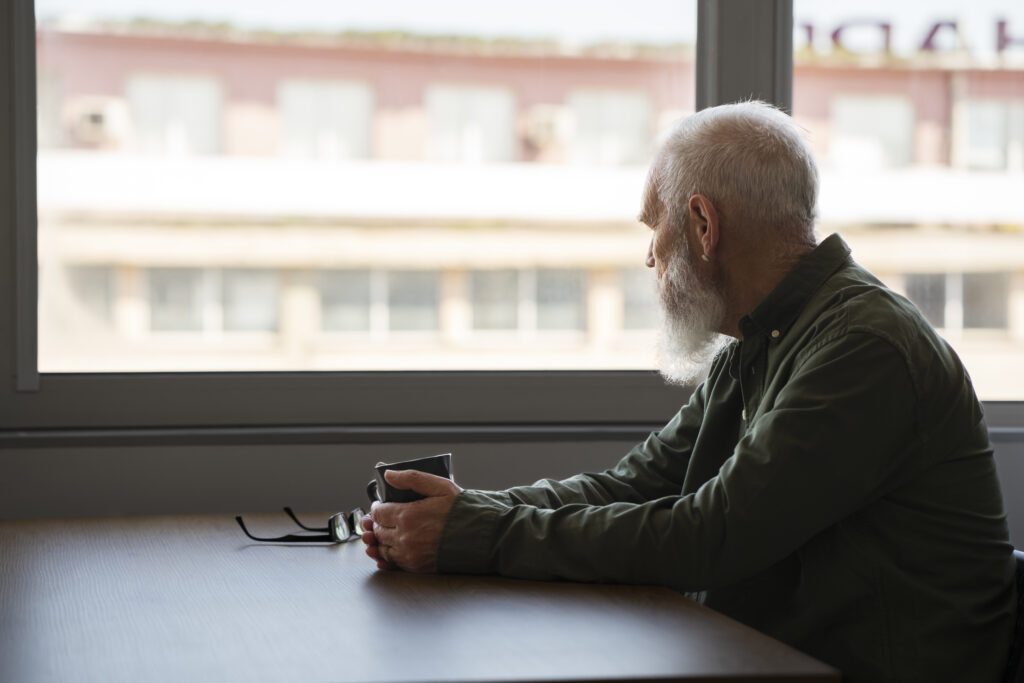
At Ravens Home Care, we believe that care goes beyond assisting with daily activities — it’s about nurturing the heart and mind as much as the body. One of the most overlooked challenges faced by many older adults today is loneliness. Research shows that social isolation can be as harmful to health as smoking 15 cigarettes a day — a startling fact that highlights how vital emotional connection truly is to overall well-being.
The Science Behind the Comparison
This finding originates from extensive research led by psychologist Dr. Julianne Holt-Lunstad and colleagues, published in the PLoS Medicine Journal and supported by the American Psychological Association (APA). Their meta-analyses of over 300,000 participants revealed that individuals with strong social relationships had a 50% higher chance of survival, while chronic loneliness and isolation were associated with significantly increased risks of premature death — equivalent to well-known health risks like smoking and obesity.
In a 2015 report in Perspectives on Psychological Science, Holt-Lunstad concluded that loneliness poses a serious public health threat and should be treated with the same urgency as other lifestyle risk factors. The physiological toll of isolation includes elevated blood pressure, increased inflammation, and weakened immune response — conditions that can accelerate aging and increase vulnerability to diseases.
Why Seniors Are Most at Risk
Older adults are particularly vulnerable to loneliness due to life changes such as retirement, loss of a spouse, or reduced mobility. These transitions can shrink social networks and limit daily interactions. Without consistent companionship, mental health can decline, leading to depression, anxiety, or cognitive impairment.
However, the most concerning aspect is that loneliness doesn’t only affect mood — it deeply impacts physical health. Studies in The Journals of Gerontology have shown links between social isolation and heart disease, stroke, and accelerated cognitive decline in older adults.
The Role of Home Care in Combating Loneliness
At Ravens Home Care, we see firsthand how compassionate, personalized care restores not only physical strength but also emotional vitality. Our caregivers do more than assist with daily routines — they build trust, companionship, and meaningful human connection.
Each visit brings conversation, laughter, and presence — the simple yet powerful acts that break the silence of loneliness. Whether through sharing a meal, taking a walk, or simply listening, our team ensures that every senior feels seen, heard, and valued.
Building Connection, One Visit at a Time
Combating loneliness isn’t just about medical care — it’s about restoring dignity, purpose, and a sense of belonging. Families can play a crucial role too, by maintaining regular contact, encouraging social activities, and engaging professional caregivers when needed.
At Ravens Home Care, we are dedicated to ensuring that aging in place remains not only comfortable but also emotionally fulfilling. Because behind every act of care is a message: you are not alone.